 Sony FCB camera block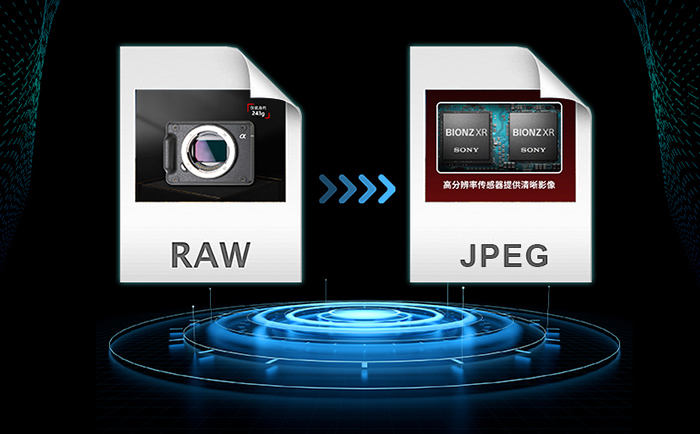
RAW, RGB, and JPG
RAW format
1. RAW Definition:
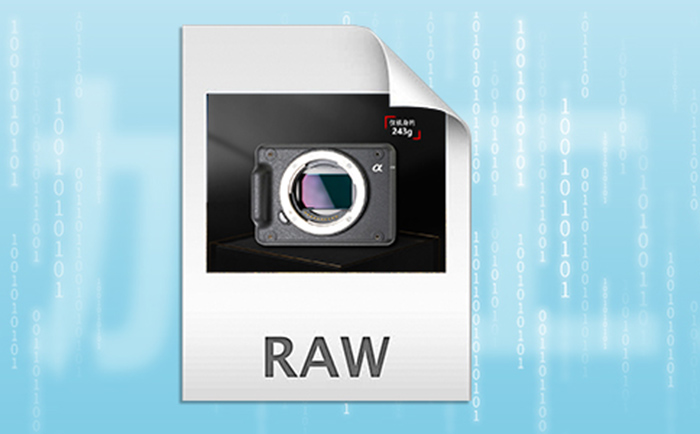
RAW, translated into Chinese means "unprocessed" meaning, for example, Raw Data refers to raw data. In digital image processing, RAW format is an unprocessed raw image data format that preserves the most realistic light signal captured by the image sensor. RAW data comes directly from the camera's photosensitive chip (such as CCD or CMOS) and is the initial image data after photoelectric conversion. 2. the bit depth of RAW format The bit depth of the RAW format refers to the way the camera sensor records image data, which represents the amount of color information contained in each pixel, usually expressed in binary bits. The bit depth of the RAW format is usually between 8 and 16 bits, or even higher. The greater the bit depth, the more color information each pixel can represent, and the richer the color level and detail performance of the image, here, the bit depth can also be understood as the resolution of light intensity information. For example, the 14-bit RAW format can record 2 to the 14th power, or 16,384 levels of depth, compared to the 8-bit JPG format can only store 2 to the 8th power, or 256 levels of light depth, RAW format can record much more information. Therefore, the high depth of the RAW format is one of the important reasons why it can retain more image detail and color information, and it is also one of the main reasons why photographers and post-production personnel favor the RAW format. They can fine-tune and optimize images as needed in post-processing without loss of image quality. 3. What data are there in RAW images RAW images contain a large amount of raw image data and metadata, including: camera model, pixel data, pixel arrangement order, ISO Settings, shutter speed, aperture value, white balance, saturation, contrast, and more. This data provides users with a great deal of post-processing space, allowing them to maximize their artistic talents. At the same time, since the RAW format is uncompressed, the image quality is preserved to the greatest extent. 4. Advantages of RAW format RAW format images have the advantages of lossless picture quality, large post-processing space, flexible color management, and strong compatibility, which make RAW format the preferred format for professional photographers and photography enthusiasts, because it allows them to further optimize the image after shooting and obtain higher quality works. However, it is important to note that files in RAW format are generally larger than compressed formats such as JPEG and require more storage space and processing time. Therefore, when using the RAW format, you need to weigh its advantages against the cost of storage and processing. SONY ILX-LR1 Full-frame expandable system remote control camera, support to set RAW format, coupled with 61 megapixel full-frame image sensor, take a picture after amplification can obtain details, previously may need to take more than 3 photos. The SONY ILX-LR1 demonstrates excellent performance and utility in detail capture, post-processing, and application scenarios. Not only can it help drones improve efficiency in a number of areas, but it also becomes a useful tool in the hands of photography enthusiasts and professional photographers.RAW to JPEG principle
Let's move on, how is the RAW format converted to our common JPEG format? This relates to the white balance.